Premium Artemia Cysts
Our flagship product — superior hatch rates for intensive hatcheries
Product Description
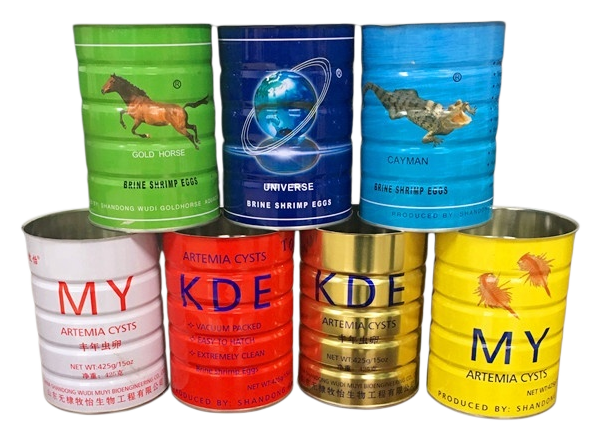
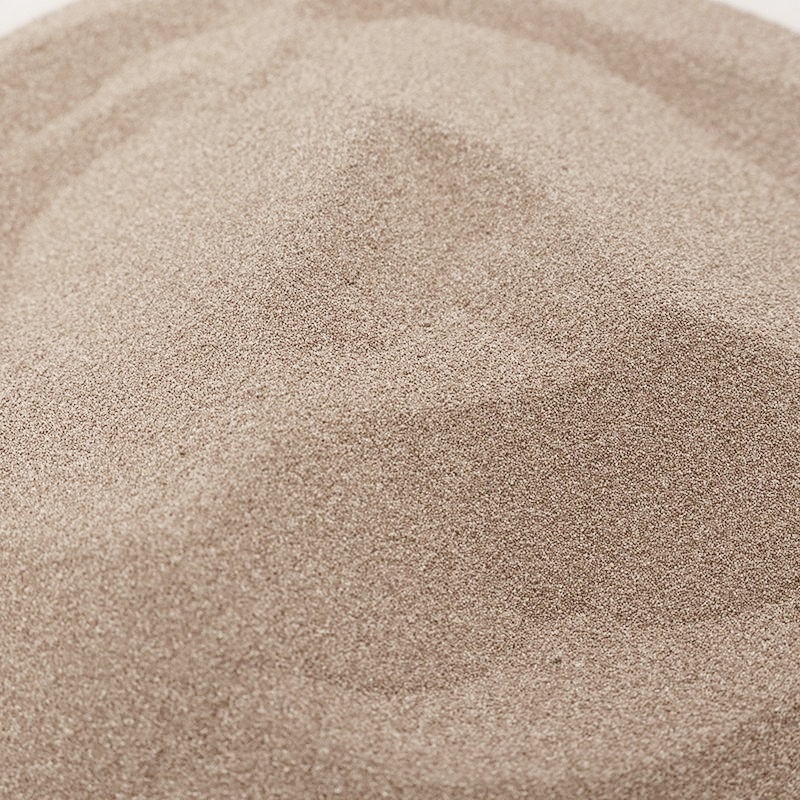
Our Premium Artemia Cysts represent the highest quality available from Central Asia's premium salt lakes, with our flagship product sourced from Uzbekistan's Aral Sea region. These cysts are hand-selected and meticulously processed to deliver consistently superior hatch rates that exceed 85% under recommended hatching conditions (28°C, 18 PPT salinity, pH ≥8.0, ≥24 hours with continuous aeration).
The distinctive red coloration of Aral Sea artemia nauplii indicates elevated HUFA (Highly Unsaturated Fatty Acid) content — particularly beneficial for shrimp and fish larval development. Premium cysts are ideal for:
Technical Specifications
| Hatch Rate | ≥ 85% (standard test conditions) |
| Moisture Content | ~ 13% (adjustable: 10-15%) |
| Impurities | ≤ 1% |
| Nauplius Size | 400-500 μm |
| Origin | Aral Sea, Uzbekistan |
| Processing | Carefully cleaned, graded, and dried |
| Shelf Life | 24 months (cool, dry storage) |
Packaging Options
Get Quote for Premium →Standard Artemia Cysts
Reliable quality at competitive pricing for volume operations
Product Description
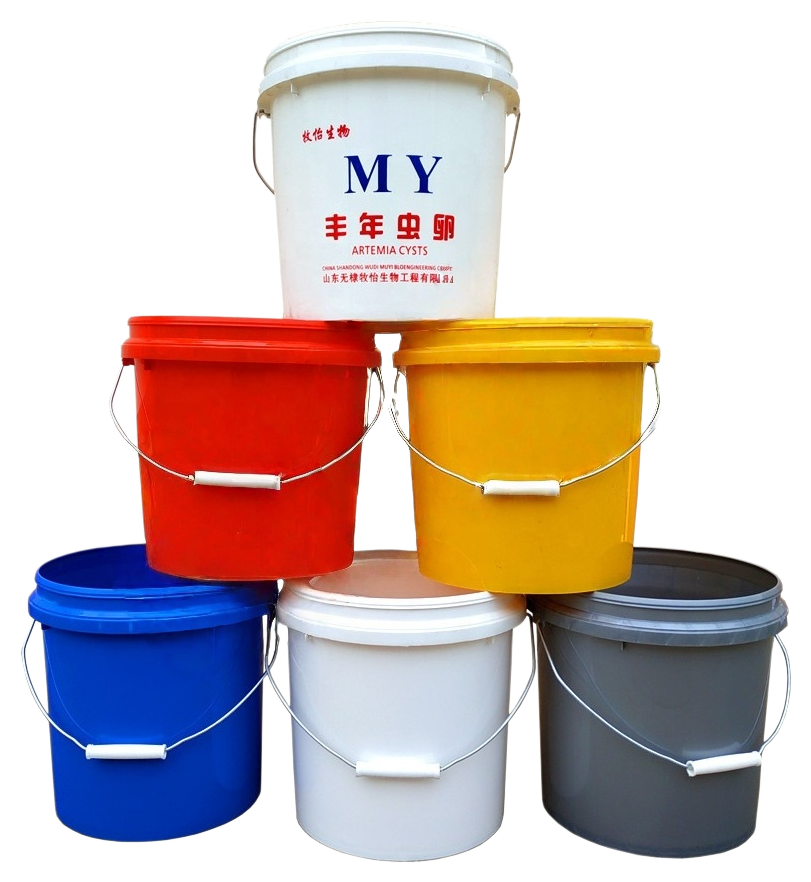
Our Standard Artemia Cysts offer exceptional value for aquaculture operations that require reliable quality at competitive prices. With a guaranteed minimum hatch rate of 80%, these cysts provide consistent performance for grow-out farms and feed mills requiring high-volume artemia supply.
Standard cysts are sourced from both Aral Sea and select inland salt lakes, carefully processed to maintain quality and minimize batch variation. Ideal for:
Technical Specifications
| Hatch Rate | ≥ 80% (standard test conditions) |
| Moisture Content | ~ 13% (adjustable: 10-15%) |
| Impurities | ≤ 2% |
| Nauplius Size | 380-500 μm |
| Origin | Aral Sea / Inland Salt Lakes |
| Processing | Cleaned, graded, and dried |
| Shelf Life | 18-24 months (cool, dry storage) |
Packaging Options
Get Quote for Standard →Decapsulated Artemia Cysts
Shell-free cysts for direct feeding and enhanced nutrition
What Is Decapsulated Artemia?
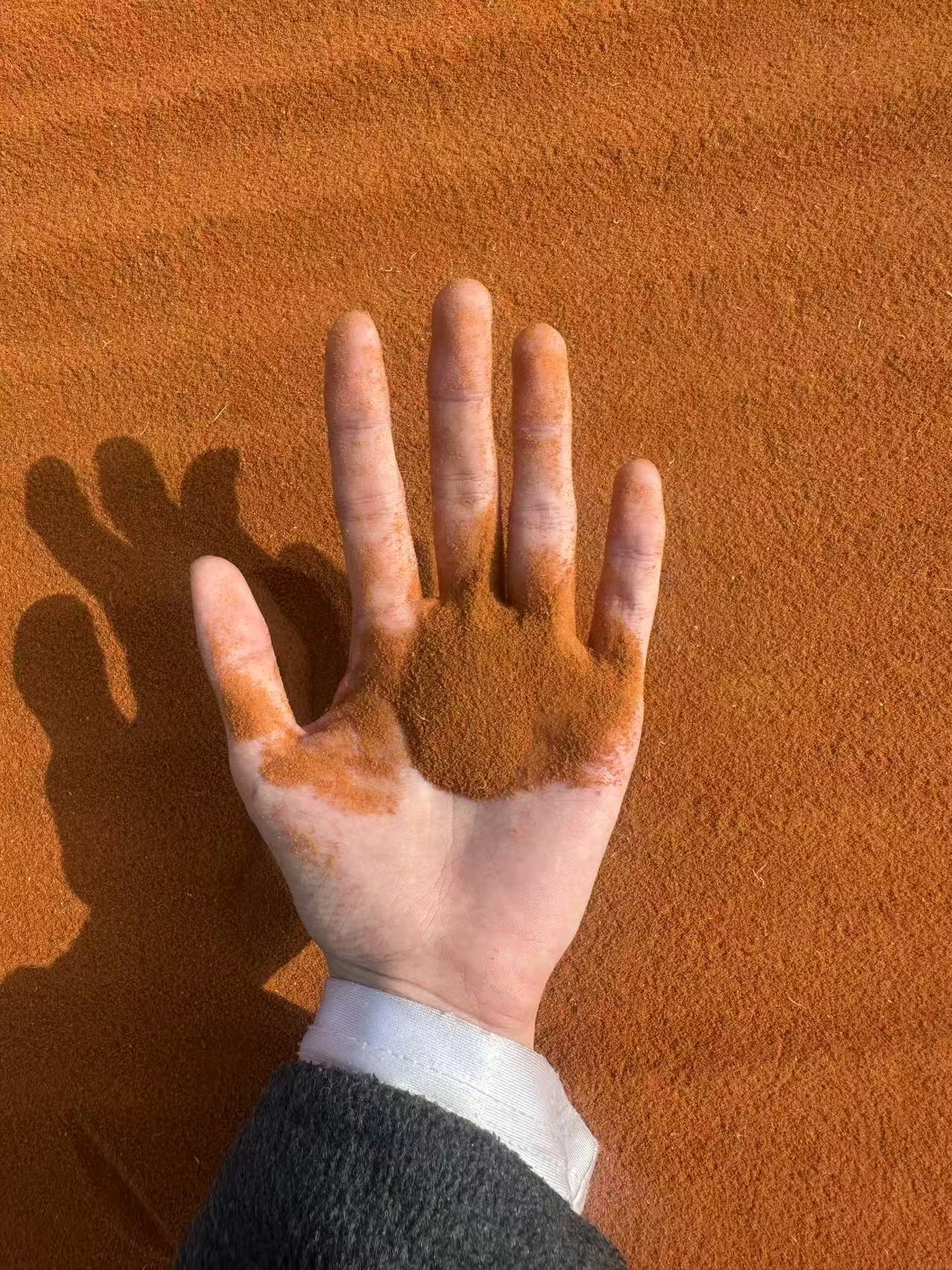
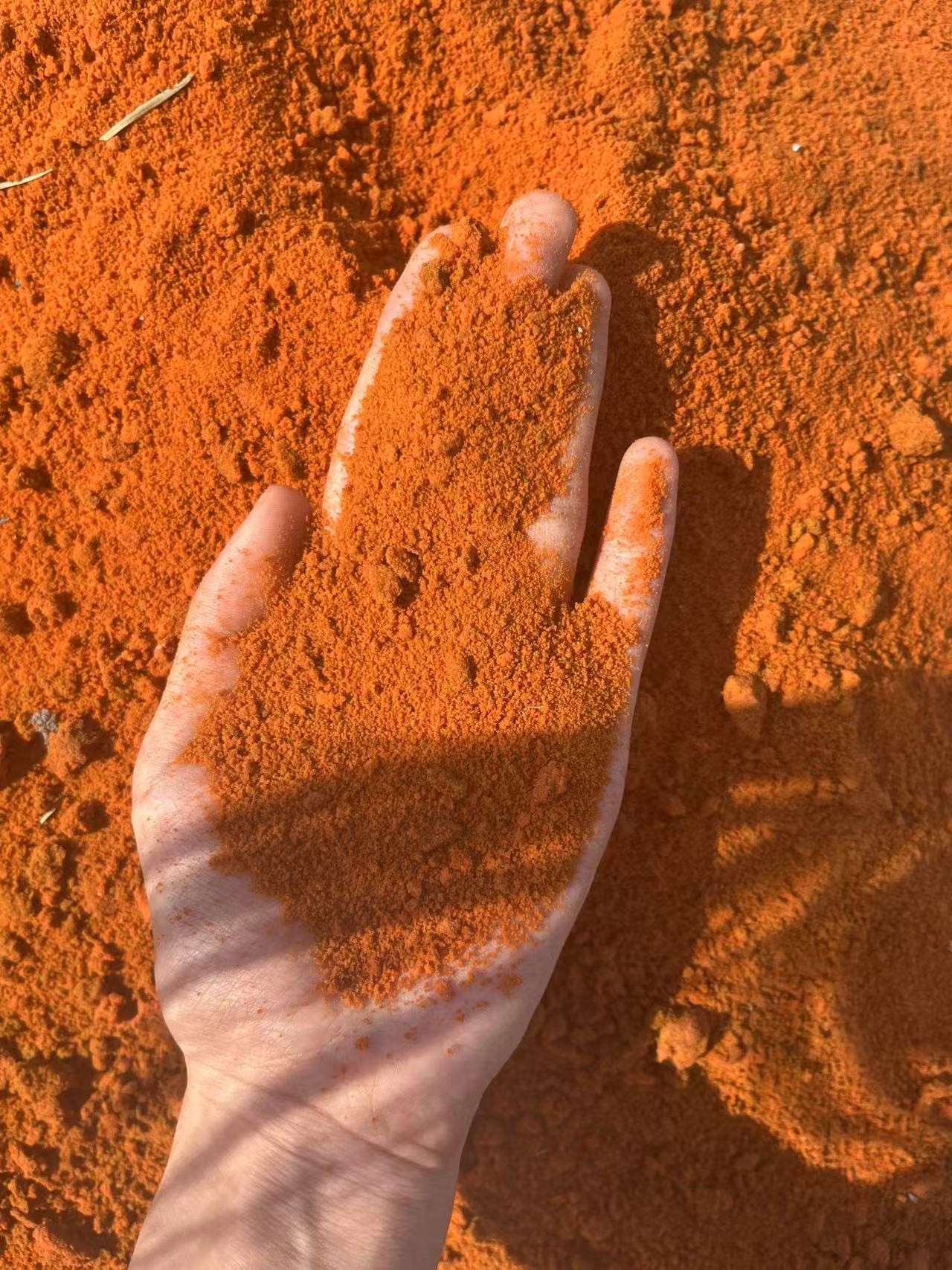
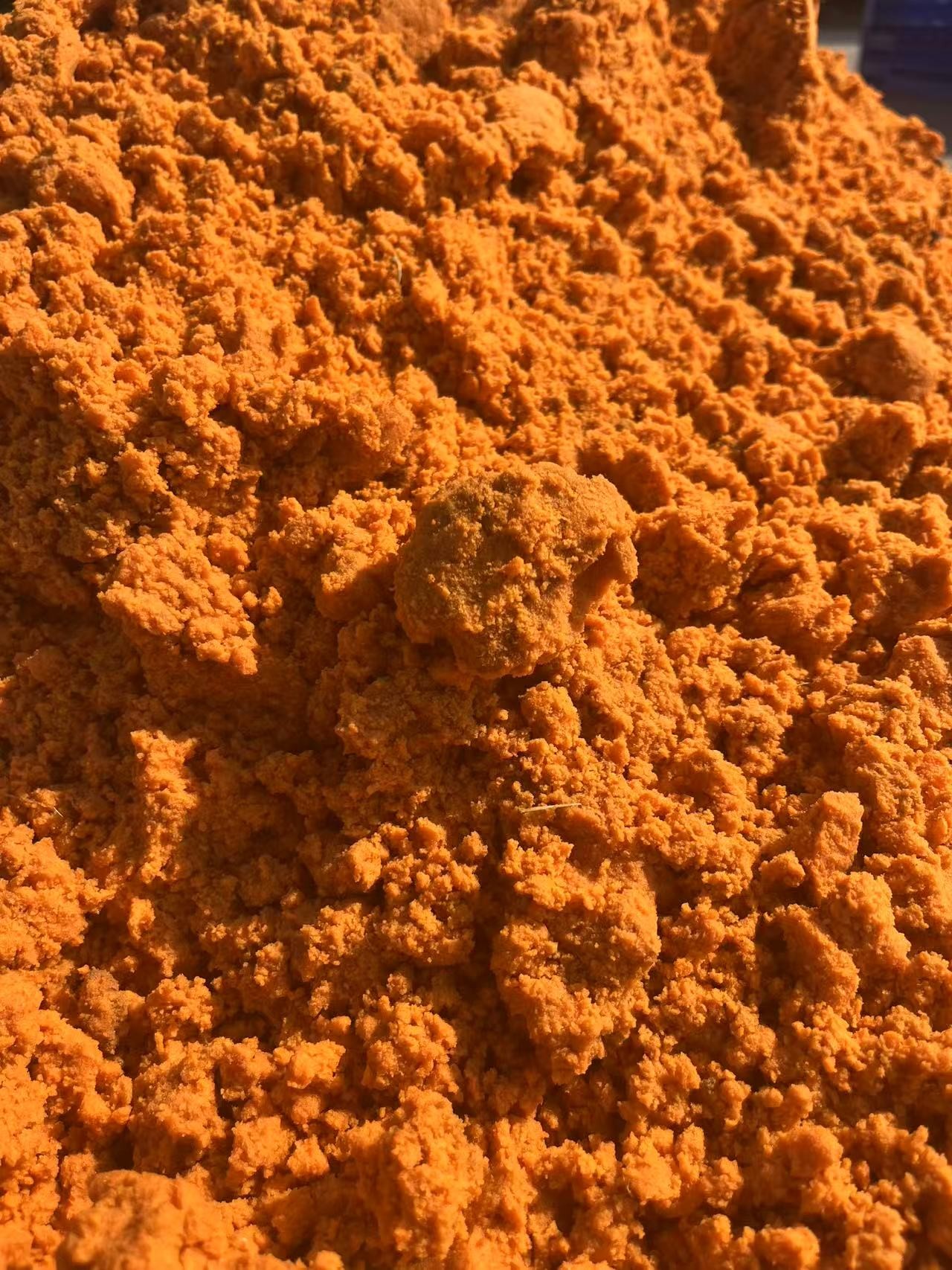
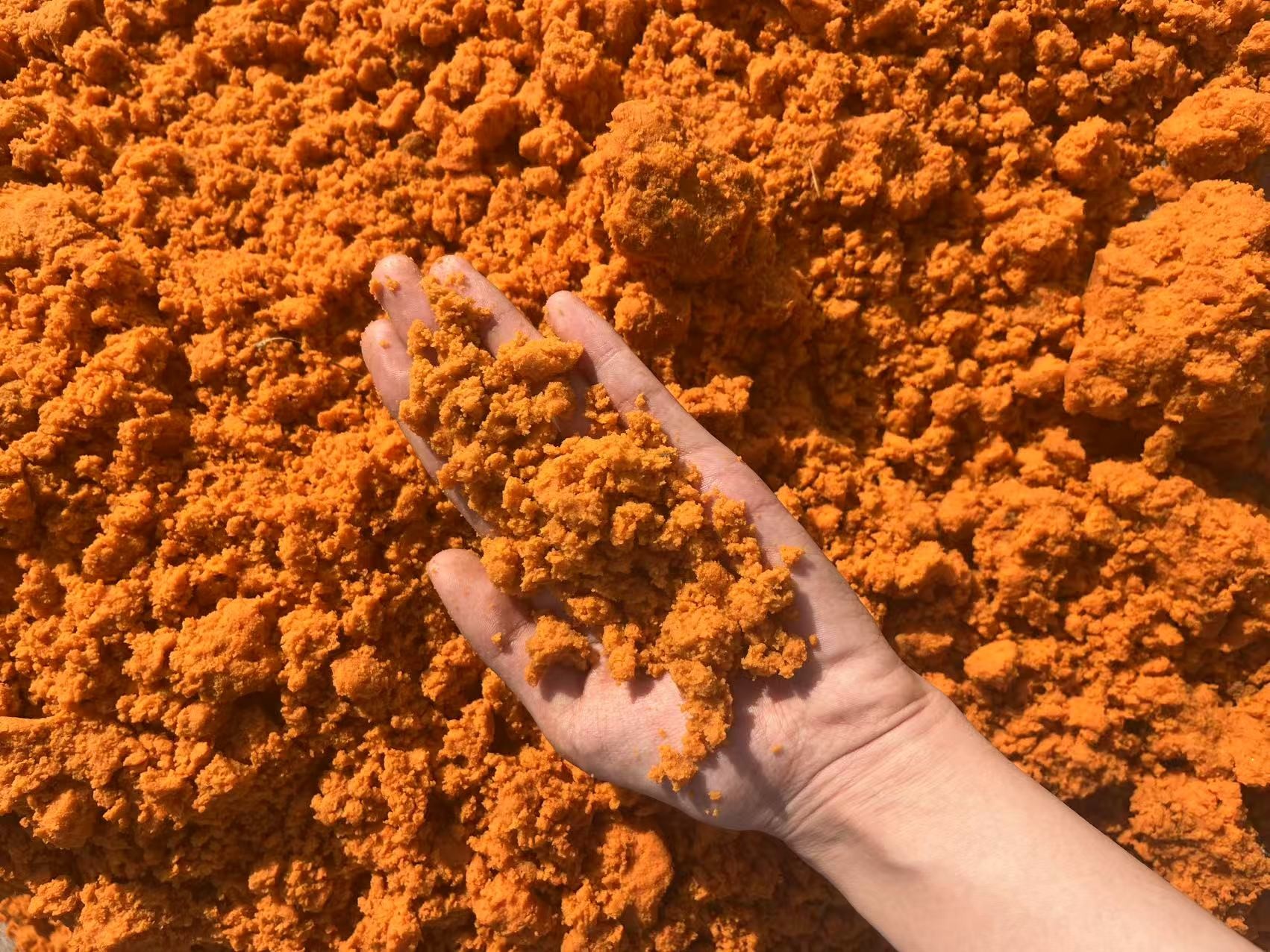
Decapsulated artemia cysts are brine shrimp eggs that have undergone a controlled chemical treatment to remove the rigid outer chorion shell — leaving only the inner embryo (nauplius in dormant state). The result is a fine, orange-red powder that can be fed directly to aquatic larvae without the need for hatching equipment, incubation water, or electricity.
Unlike traditional cysts that require 24–36 hours of incubation to hatch into nauplii, decapsulated cysts are ready to use immediately. This eliminates labor, energy costs, and contamination risks associated with hatching — while delivering higher protein density and better digestibility for small-mouth species.
How It's Made: Our Decapsulation Process
Hydration
Dry cysts are soaked in seawater for 1–2 hours to activate metabolism and swell the embryo.
Shell Removal
Controlled sodium hypochlorite (NaClO) reaction dissolves the chorion shell without damaging the inner embryo.
Washing & Neutralization
Multiple freshwater rinses remove all chemical residues, ensuring feed safety.
Dehydration & Packing
Gentle drying to ~10% moisture, vacuum-sealed in cold-chain packaging for long shelf life.
Why Choose Decapsulated Over Live Nauplii?
Operational Advantages
- Zero hatching infrastructure — no incubation cones, no aeration pumps, no heated rooms
- Zero labor — eliminate the daily 2–3 hours of hatching maintenance per facility
- Zero contamination risk — no standing water breeding bacteria or pathogens
- Consistent dosage — exact feeding amounts every time, no batch-to-batch variability
- Instant availability — feed on demand, no 24-hour waiting period
Nutritional & Biological Advantages
- Higher protein density — ≥50% crude protein, concentrated energy without shell ballast
- Better digestibility — no indigestible chitin shell passing through the gut
- Ideal for small larvae — particle size suitable for species with tiny mouths
- Retains natural pigmentation — enhances shrimp/fish coloration through carotenoid content
Ideal Applications
Technical Specifications
| Decapsulation Rate | ≥ 98% |
| Moisture Content | ~ 10% |
| Crude Protein | ≥ 50% (dry matter) |
| Crude Lipid | ≥ 15% (dry matter) |
| Ash Content | ≤ 5% |
| Sand & Impurities | ≤ 0.5% |
| Particle Size | 200–300 μm (uniform) |
| Origin | Aral Sea, Uzbekistan |
| Processing Method | Hypochlorite oxidation (NaClO) |
| Shelf Life | 12 months (0–4°C cold chain) |
| Certifications | ISO 9001, HACCP available |
Storage & Handling
Storage: Keep at 0–4°C (refrigerated) or -18°C (frozen) for maximum viability. Do not expose to direct sunlight or temperatures above 25°C.
Usage: Open package and feed directly. No rehydration needed. Once opened, use within 30 days and reseal tightly.
Dosage: Typical application rate is 0.5–2.0 g per liter of culture water, adjusted by species and larval density. Contact us for species-specific feeding protocols.
Packaging Options
Get Quote for Decapsulated →Product Comparison
Compare specifications across our three product lines to find the best match for your operation.
| Specification | Premium | Standard | Decapsulated |
|---|---|---|---|
| Hatch Rate | ≥ 85% | ≥ 80% | N/A (Non-viable) |
| Moisture | ~ 13% | ~ 13% | ~ 10% |
| Impurities | ≤ 1% | ≤ 2% | N/A |
| Origin | Aral Sea, Uzbekistan | Aral Sea / Inland Salt Lakes | Aral Sea, Uzbekistan |
| Min Order | 425g | 1kg | 425g |
| Best For | Shrimp hatcheries, Marine fish | Grow-out farms, Feed mills | Direct feeding, Early larvae |
Premium Source Material
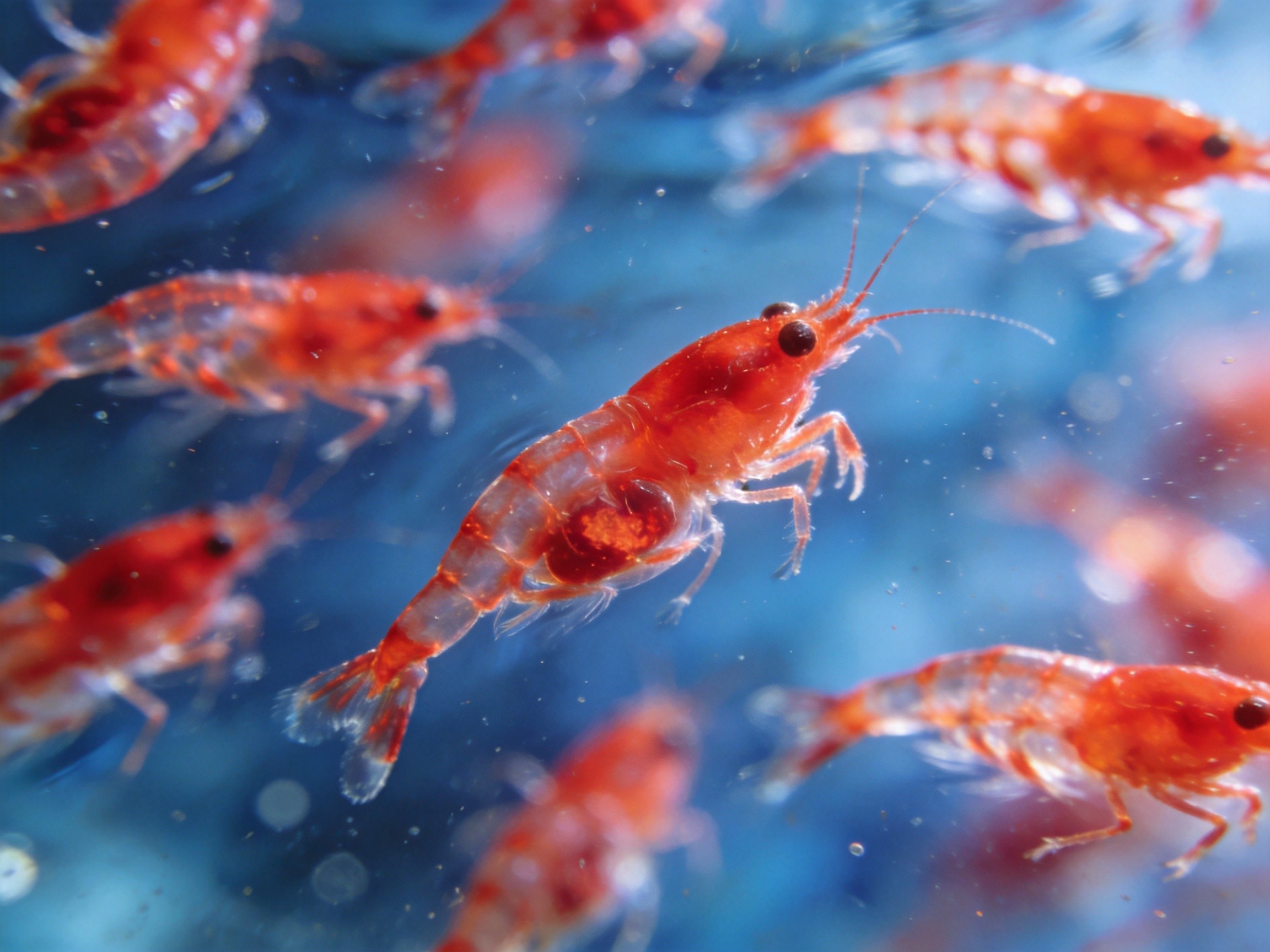
Our artemia cysts begin their journey from the pristine salt lakes of Central Asia, where unique environmental conditions produce cysts of exceptional quality.
Multi-Origin Sourcing Network
We source artemia cysts from multiple premium salt lakes across Kazakhstan, Russia, and Uzbekistan. Our established procurement, warehousing, and transportation network spans all three countries, ensuring reliable access to the finest artemia cysts for our diverse product lines.
Three-Country Coverage
Strategic sourcing from Kazakhstan, Russia, and Uzbekistan for diversified supply
Premium Red Artemia
Primary sourcing from Uzbekistan's Aral Sea for our flagship red artemia products
Established Logistics
Direct relationships with harvesting operations ensure supply chain reliability
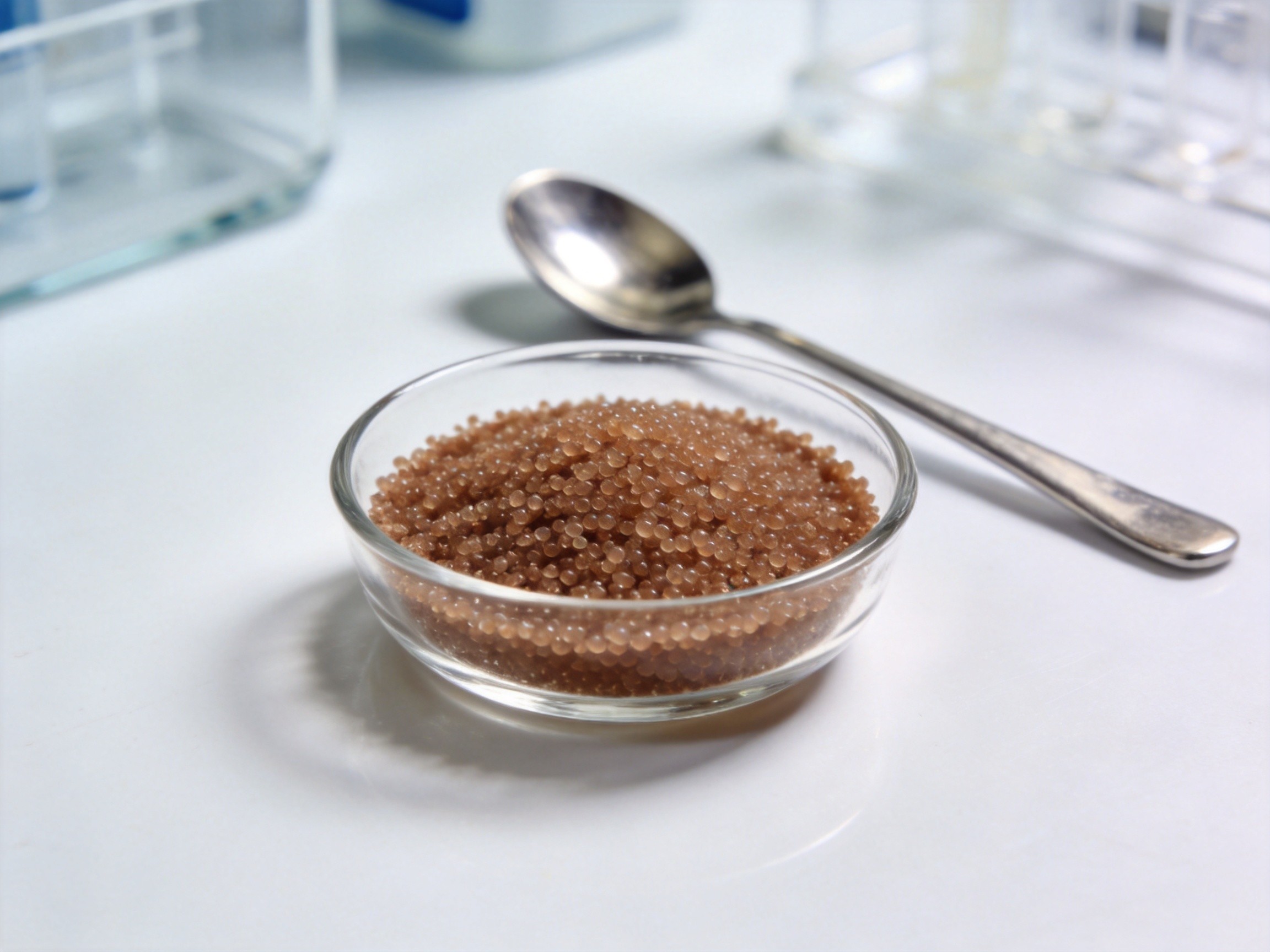
Recommended Hatching Conditions
Follow these parameters to achieve optimal hatch rates with our artemia cysts.
Need Help Choosing the Right Product?
Our team can help you select the best artemia cysts for your specific requirements.
Contact Us →