4-Step Quality Control
Our comprehensive quality management system ensures consistent performance from every batch of artemia cysts.
Source Selection
Hand-picked raw cysts from verified harvesting zones with documented salinity and temperature records
Processing
Careful cleaning, drying, and grading under controlled conditions to preserve cyst viability
Lab Testing
Every batch tested for hatch rate, moisture, impurities, and nauplius size with detailed certificates
Secure Packaging
Food-grade packaging in tin cans, plastic buckets with inner liner, and fiber drums — cold chain shipping for decapsulated cysts
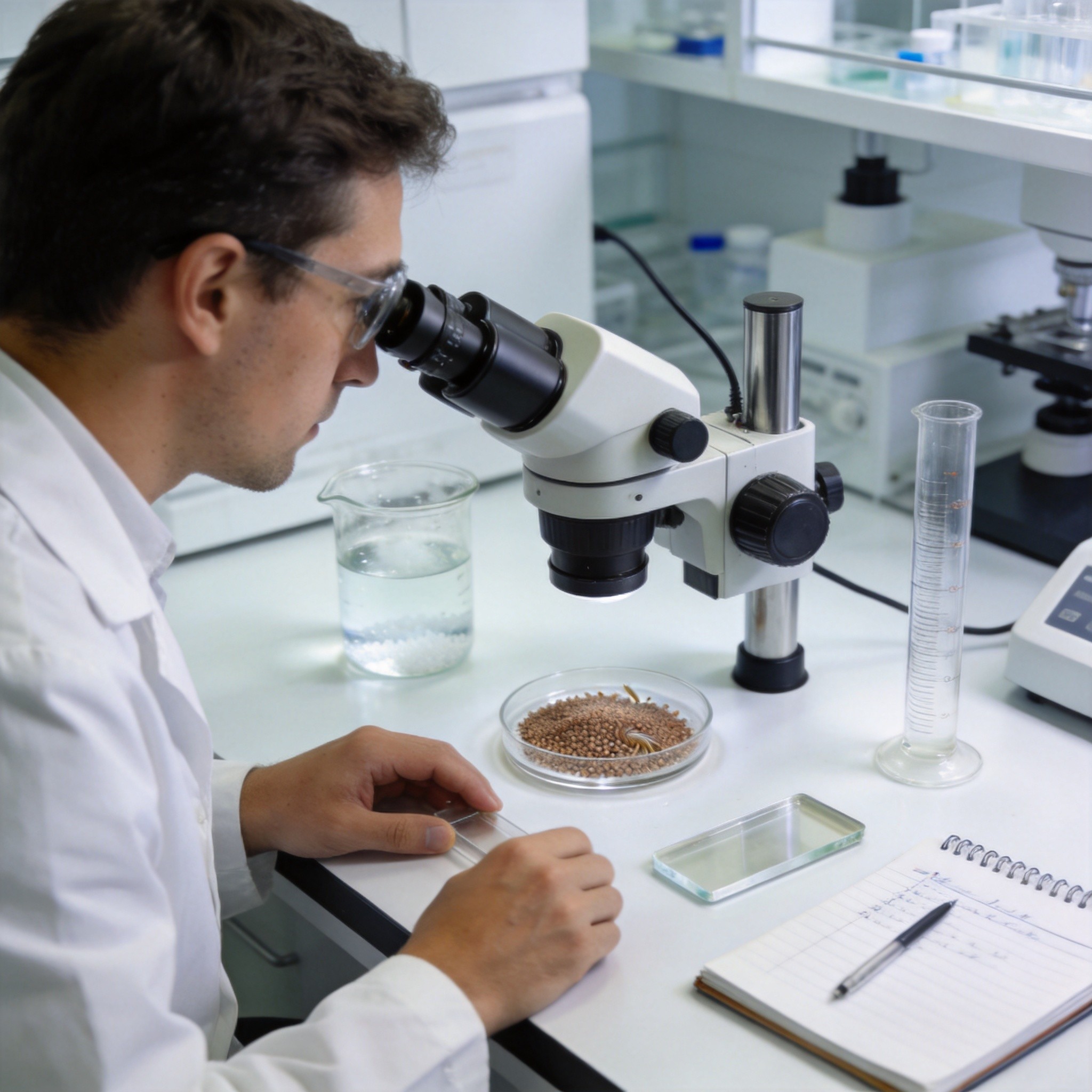
Our quality control laboratory equipped for comprehensive artemia cyst testing
Laboratory Testing Protocols
Every batch undergoes rigorous laboratory testing under standardized conditions to ensure accurate, reproducible results.
🔬 Hatch Rate Testing
Standardized test conditions following industry protocols:
- Temperature: 28°C ± 1°C
- Salinity: 35‰ (parts per thousand)
- Light cycle: 12h light / 12h dark
- Test duration: 24-48 hours
- Sample size: 3 replicates of 200 cysts each
- Hatch rate calculated as: (hatched nauplii / total cysts) × 100%
💧 Moisture Analysis
Gravimetric analysis for accurate moisture content:
- Sample weight: 5g
- Drying temperature: 105°C
- Drying time: 3 hours
- Cooling in desiccator
- Moisture = (initial weight - dry weight) / initial weight × 100%
- Export standard: ~13% (adjustable per customer requirements, range 10-15%)
- Lower moisture extends shelf life but may slightly reduce hatch rate; higher moisture requires stricter cold storage
🧪 Impurity Assessment
Visual and gravimetric purity evaluation:
- Sample weight: 100g
- Manual separation of debris, salt crystals, and other matter
- Impurity percentage calculated by weight
- Microscopic examination for broken cysts
- Premium grade maximum: 1% impurities
- Standard grade maximum: 2% impurities
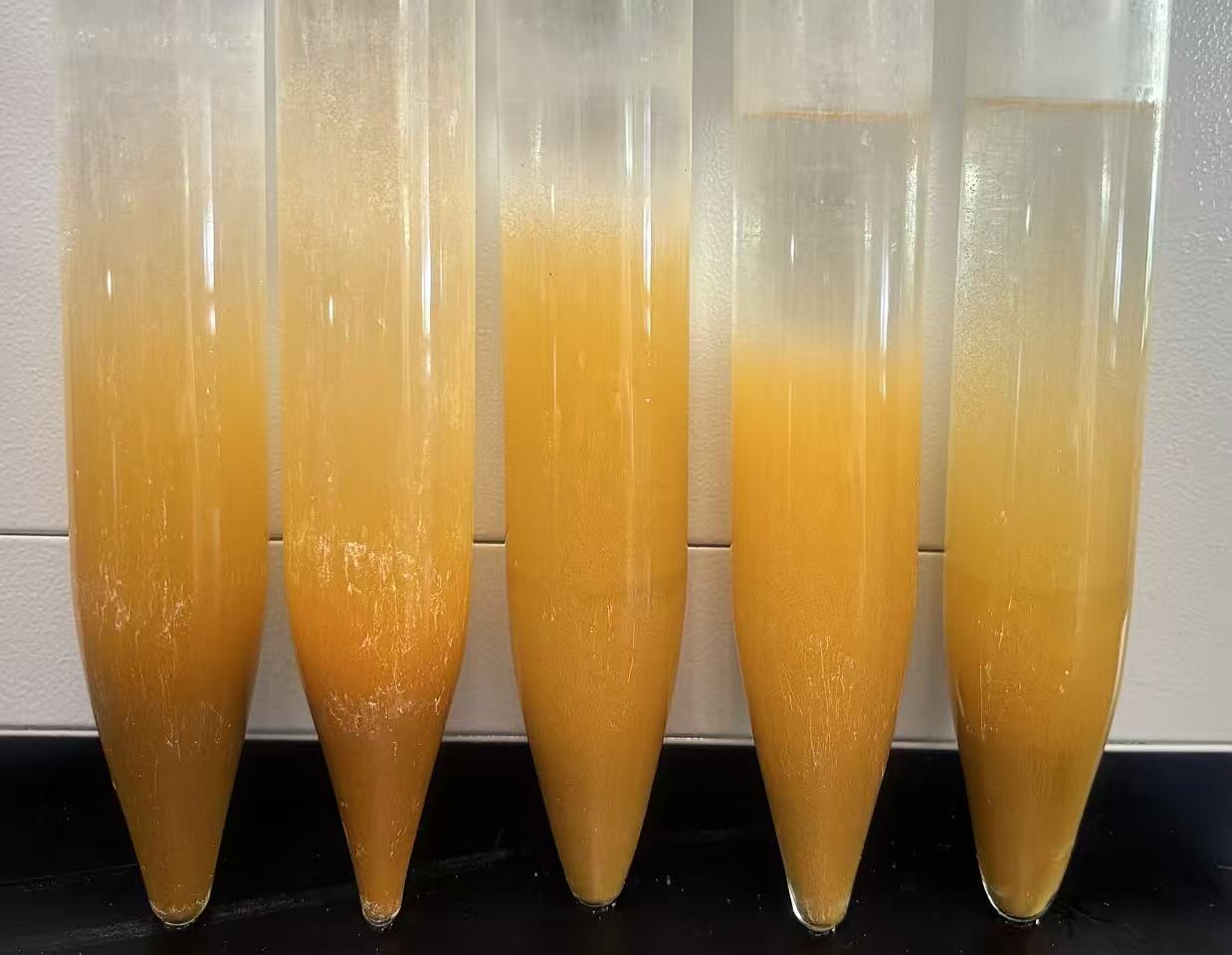
Hatch rate testing setup showing artemia cyst development comparison
Batch Documentation & Certificates
Complete documentation package for every shipment — ensuring full traceability and compliance with international standards.
Certificate of Analysis (CoA)
Comprehensive batch-specific test results including hatch rate, moisture content, impurity percentage, and nauplius measurements. Every shipment includes certified test data.
Certificate of Origin
Official documentation confirming the country of origin for customs clearance and compliance with import regulations in your destination country.
Phytosanitary Certificate
International phytosanitary certification confirming the product meets agricultural health requirements for export to your country.
Health Certificate
Veterinary/health certification confirming the product is free from harmful pathogens and safe for use in aquaculture feed applications.
Packing List & Invoice
Detailed packing specifications, weights, and values for customs documentation. Commercial invoice prepared according to international trade standards.
Additional Testing
Upon request, we can arrange pathogen screening, heavy metal testing, pesticide residue analysis, and other specialized testing requirements.
Packaging Standards
Professional packaging designed to preserve artemia cyst viability during storage and shipping.
📦 Standard Packaging
- 425g tin cans (retail/hatchery use)
- 1kg bags
- 5kg plastic buckets with inner liner
- 25kg fiber drums with inner liner
- 5kg bulk bags
- 25kg industrial drums
- Custom packaging available on request
❄️ Cold Chain Required
- Refrigerated containers available for long shipments
- Cold chain packaging and shipping for decapsulated cysts
- Insulated packaging for tropical destinations
- Temperature monitoring during transit
🏷️ Labeling
- Product name and grade
- Batch number and production date
- Net weight
- Hatch rate specification
- Storage instructions
- Country of origin
Quality You Can Count On
At Muyi Artemia, quality isn't just a specification — it's the foundation of everything we do. Our 20+ years of industry experience have taught us that consistent quality builds lasting partnerships.
Every batch that leaves our facility has passed rigorous testing. We guarantee the specifications on our products, and we'll work with you to resolve any issues that arise.
Guaranteed Specifications
Every batch meets or exceeds published specifications. If a batch doesn't meet standards, it doesn't ship.
Technical Support
Our team can guide you through hatch rate testing and help optimize your artemia usage protocols.
Quality Claims
We take quality concerns seriously. Contact us immediately if you have any issues with our products.
100% Quality Assured
Every batch tested before shipment. Guaranteed specifications or your money back.
Quality-Related FAQs
Recommended hatching conditions for accurate testing:
- Salinity: 18 PPT saltwater (or natural seawater)
- pH: Maintain at 8.0 or above
- Temperature: Optimal 28°C (range 26–30°C)
- Light: ≥2,000 lux throughout incubation
- Density: 1 gram cysts per liter of water
- Hatching time: Minimum 24 hours
- Aeration: Continuous — keep cysts in suspension
Hatch rate = (Hatched nauplii / Total cysts) × 100%. For accuracy, test 3 replicates and average the results.
Low hatch rates can result from:
- Improper storage: Exposure to heat, humidity, or sunlight damages cyst viability
- Age: Cysts lose viability over time, even when properly stored
- Testing conditions: Incorrect salinity, temperature, or lighting
- Oxygen depletion: Insufficient aeration during hatching
- Water quality: Contaminants or incorrect pH in hatching water
If you experience consistently low hatch rates despite proper testing conditions, contact us immediately.
For optimal shelf life:
- Keep in original packaging until ready to use
- Store in a cool, dry location (ideally refrigerated at 4-8°C)
- Avoid exposure to direct sunlight or UV light
- Keep humidity low — moisture damages cyst viability
- Do not freeze cysts (decapsulated cysts require cold chain throughout)
- Use within recommended shelf life (18-24 months)
Proper storage can maintain hatch rates for the full shelf life. Improper storage accelerates viability loss.
Yes, every shipment includes:
- Certificate of Analysis (CoA) with batch-specific test results
- Certificate of Origin
- Phytosanitary Certificate
- Health/Veterinary Certificate
- Packing List and Commercial Invoice
Additional testing (pathogen screening, heavy metals, etc.) can be arranged upon request with advance notice.